A first consultation in a Charlotte studio often starts with a screenshot and a question: can you do it like this? The screenshot belongs to a style, and the style is not a surface effect. Japanese work, American traditional, and fineline are three different systems for building an image in skin, with different line weights, different color logic, and different expectations for how the piece will look in fifteen years. Choosing among them well matters more than any single design decision that follows.
The three systems, side by side
| Japanese | American traditional | Fineline | |
|---|---|---|---|
| Line | Bold outlines with fine interior detail | Heavy, uniform black outlines | Single-needle hairlines |
| Color | Rich but controlled palette, background shading carries the piece | Limited, saturated palette: red, green, gold, black | Usually black and gray, minimal color |
| Best scale | Large: sleeves, backs, full limbs | Small to large, reads at any size | Small to medium, size still matters |
| Aging | Excellent when built large | The benchmark: bold will hold | Softens most; needs spacing and care |
| Composition | Flows with the body's shape, wind and water backgrounds unite pieces | Standalone motifs, space between pieces | Standalone, minimal, often symbolic |
Japanese: built for the long canvas
Japanese tattooing thinks in bodies, not in spots. Dragons, koi, peonies, and waves are composed to flow along a limb or across a back, with background elements, wind bars, water, clouds, tying the piece into the anatomy. It rewards commitment: the style reaches its full effect at sleeve or back scale, over multiple sessions, and its bold outlines and saturated color age as well as any tattooing on earth. Choose it when the idea is big, symbolic, and meant to grow into a collection on one canvas.
Traditional: the engineering conservatism of bold lines
American traditional was refined on sailors and soldiers who needed images that stayed readable for life, and its rules are pure durability: thick outlines, a restricted palette of pigments that hold, simple shapes with no fussy detail to lose. An eagle, a rose, a dagger reads at ten feet on day one and at year twenty. It is the most forgiving style for small-to-medium pieces, the most collectible, since separate motifs can accumulate across an arm over years with different artists, and the safest answer to the question of what a tattoo looks like at fifty.
Fineline: delicacy with conditions
Fineline trades durability margin for delicacy: tiny florals, fine script, minimal symbols, single-needle detail that sits lightly on the skin. It suits small, personal pieces and people who prefer their tattoos quiet. Its conditions are size discipline, good placement away from friction and creases, and an owner willing to sunscreen and occasionally touch up. Chosen with open eyes, it is a legitimate style; chosen from a fresh-photo feed alone, it disappoints.
Matching style to your actual idea
Ask three questions. How big is the canvas you are honestly offering, now and over the next few years? A back that will stay blank suits Japanese ambitions; a forearm collecting separate pieces suits traditional or fineline. How visible and how detailed is the subject? Fine detail forces size or simplification in any style. And what is your tolerance for maintenance? Bold styles ask little of you after healing; fineline asks for sun discipline forever. The studio's job in consultation is to walk your idea through exactly these questions, and a Charlotte studio that works across all three styles can answer without steering you toward the only one it sells.
Cost follows from the same factors, even without naming numbers. Japanese work at scale is a multi-session commitment spread over months. Traditional pieces are usually single sittings at small and medium sizes. Fineline sittings run shorter but may include future touch-ups in the true total. Asking a studio how a style's cost accumulates over its life, rather than what the first session runs, gives you the honest comparison, and artists who work in all three styles will walk that arithmetic with you in the consultation.
Common questions
Can styles be mixed in one piece or one arm?
Pieces in different styles can live on the same body happily, and often do. Within a single piece, mixing systems usually muddies both; artists will advise keeping one piece in one visual language.
Which style hurts least?
Pain tracks placement and session length more than style. Bold work involves more passes for solid color; fineline sittings are often shorter. Neither is painless, and the spot on the body matters most.
Which style should a first-timer choose?
The one matching the idea and the canvas, with traditional being the most forgiving default for a medium piece and fineline best kept small, simple, and well placed. Your consultation is where this gets decided with your actual design on the table.
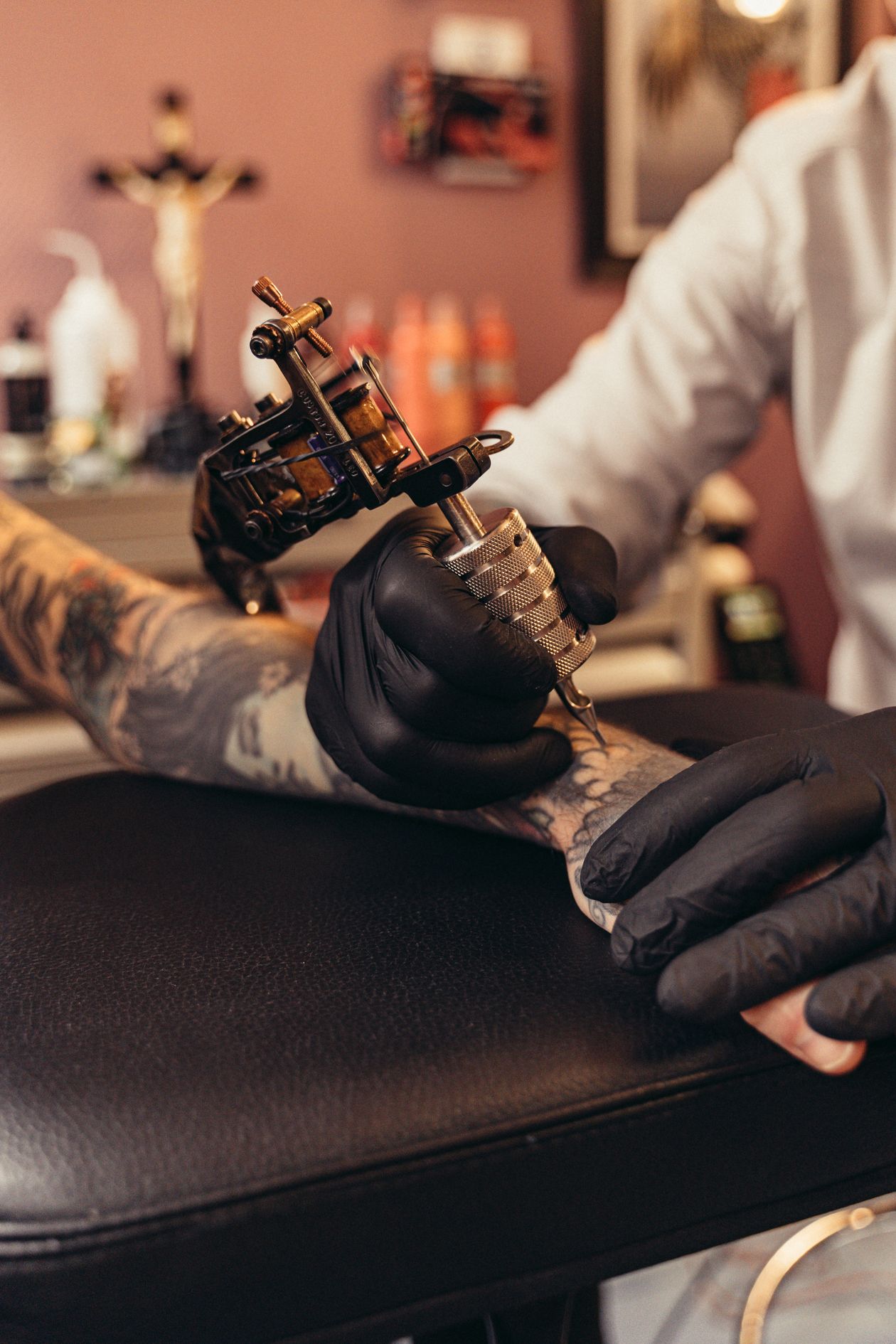
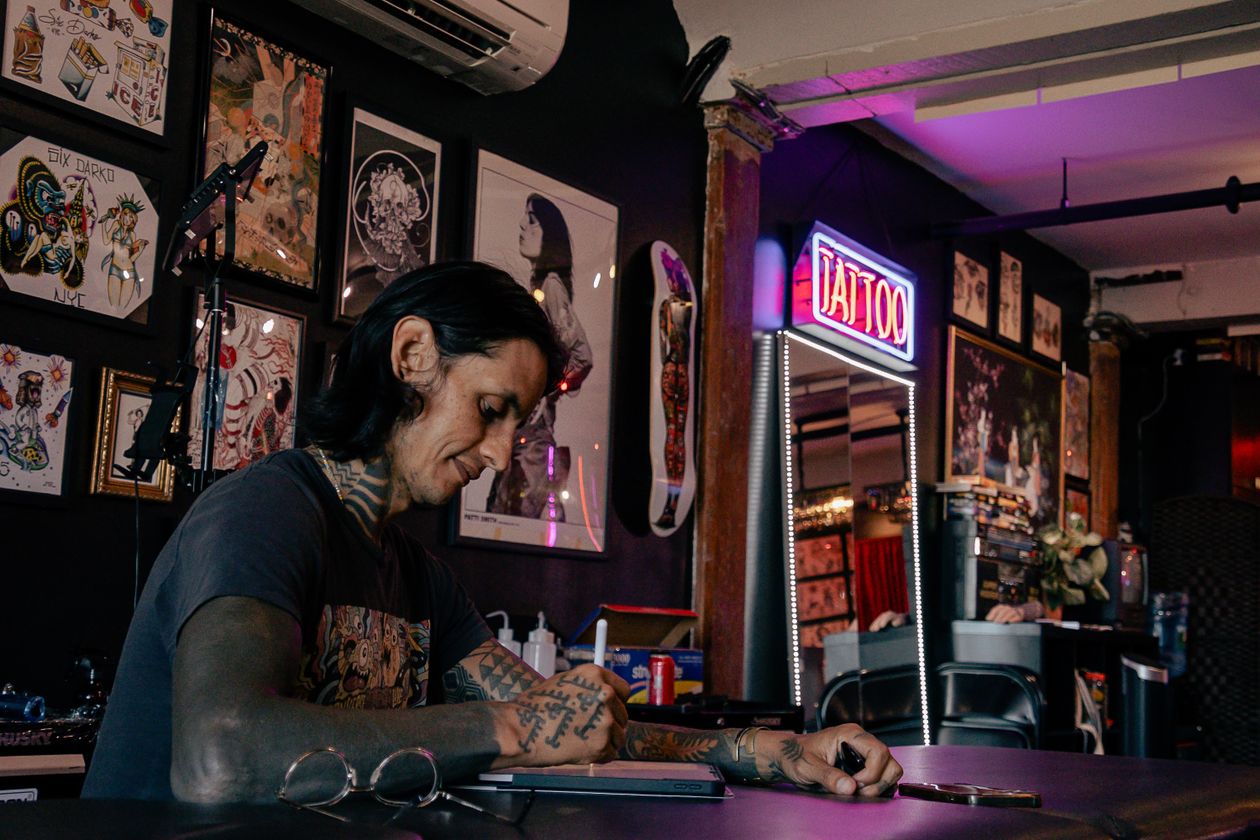
Photos in this guide are representative stock images.
← All guides from Fu's Custom Tattoo← Back to Fu's Custom Tattoo